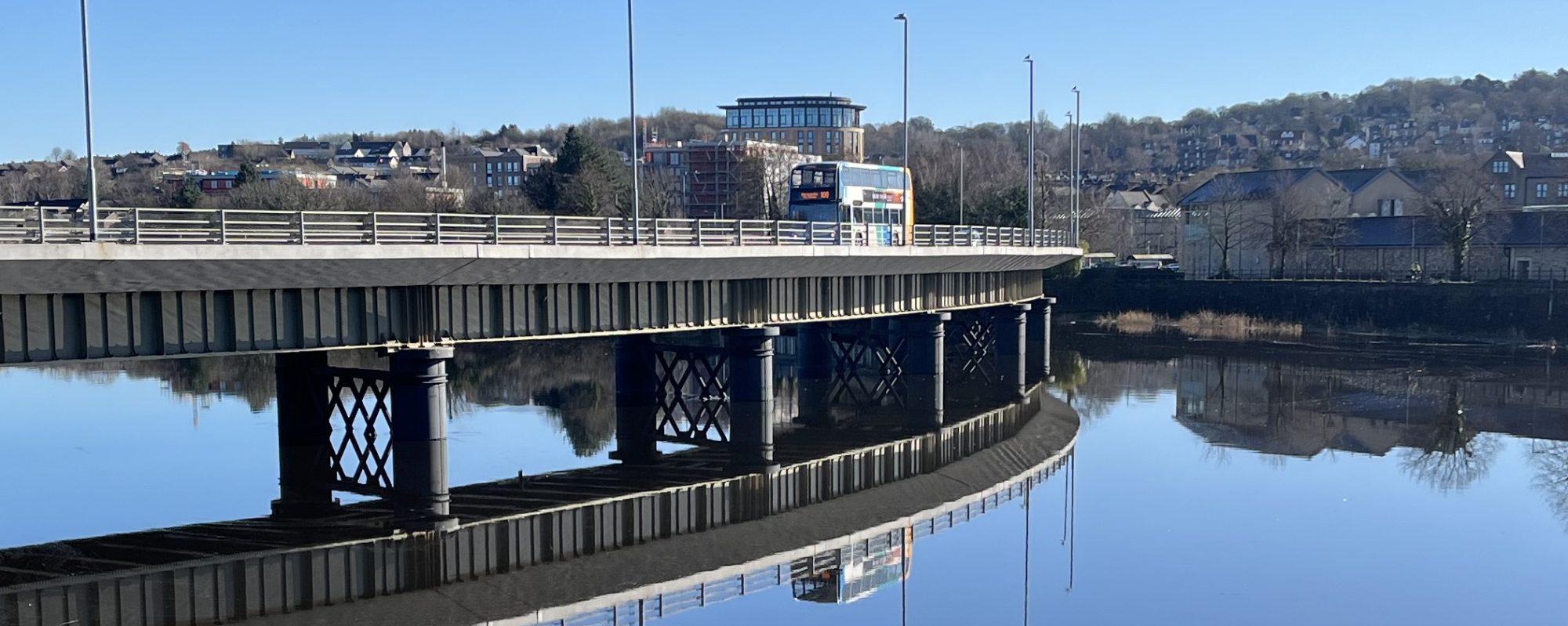
Stagecoach Fares to Rise

In what appears to be a co-ordinated move across much of the Stagecoach Group, bus fares are set to rise in July.

The government’s national £3 fare cap restricts bus companies’ ability to increase fares, but it does still allow some scope, especially with daily and weekly tickets that are not covered by the cap.

Locally, Stagecoach says that its £2 fare will rise to £2.10 and journeys priced at £2.30 will rise to £2.40 but that there will be no other changes to single fares and the £3 cap remains in place.

The company claims that most customers will not see a change to the fare they pay, but the popular Bay Area DayRider ticket, which currently operates as a surrogate day return for many passengers, will increase from £5.70 to £6 and will no longer offer a discount over two capped single fares. The Lancashire Day Ticket, which covers a wider area, remains at £10 and the North West Explorer , covering Lancashire, Cumbria and into Scotland and Northumbria has also been frozen at £12.

Child and Young Person Fares

Child and Young Person (under-19) fares are also going up, with slightly higher increases in percentage terms to bring them up to 2/3rds of the Adult fare. The £1.30 and £1.50 child fares both increase by 10p

Despite the steadily diminishing number of passengers paying in cash, bus companies still feel the need to round-up fares to the next 10p to reduce the need to handle change, which inevitably means higher percentage increases for some fares. A major victim this time is the Child and Young Person DayRider, which rises from £4 to £4.30 – a 7.5% increase compared to the 5.3% applied to the adult ticket, both increases being above the prevailing level of inflation.

Weekly Tickets

The 7-day Bay Area MegaRider is increased by £1 to a new rate of £22 but still offers a substantial discount over paying day or single fares. The North West Gold MegaRider also goes up by £1 to £37.

When?!

In a move that makes it look as if Stagecoach desperately needs the money, the increase comes into effect on 16 July – a Wednesday! It appears that the days when new fares were introduced on a Sunday, to give drivers and passengers a chance to get used to them on a quieter day of the week, are long gone and perhaps, in the days of payment by card, phone or app, no longer necessary.
Are you sitting comfortably?

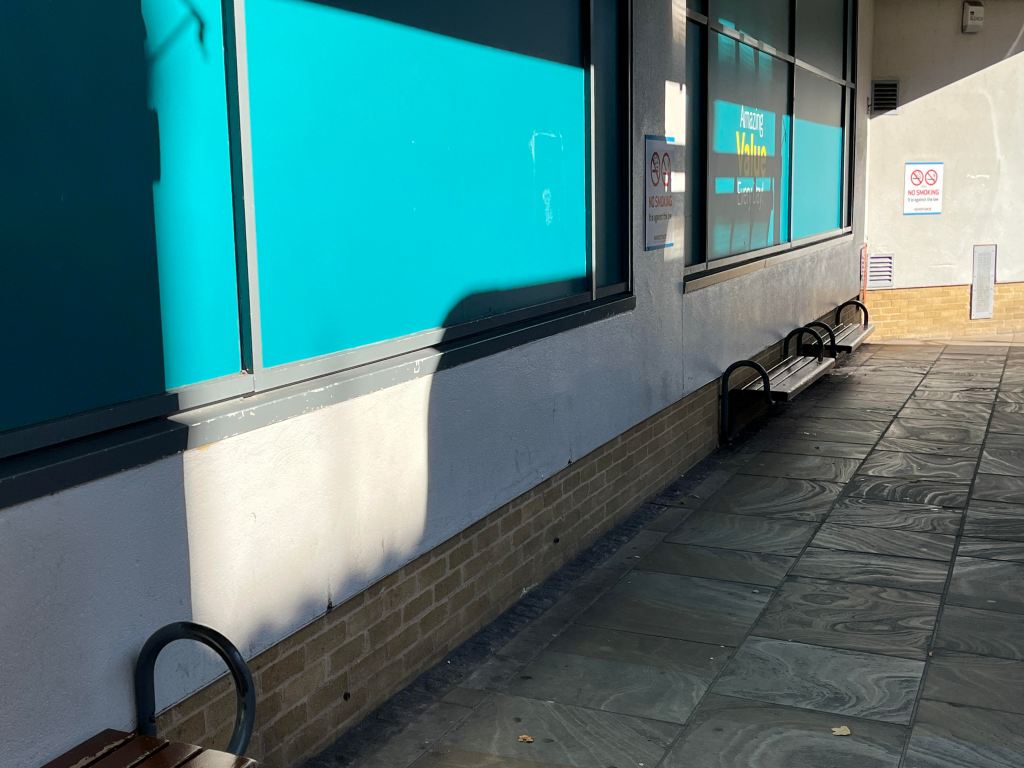
The existing seating at Common Garden Street in the city centre.

Passengers using one of Lancaster’s busiest bus stops will soon find waiting for their buses a more comfortable experience following an initiative by local councillors assisted by the Bus Users’ Group.

Many elderly passengers and people with disabilities find the existing seating uncomfortable and difficult to use due to it being too close to the ground and with a lack of armrests other than at the ends. As the image above shows there are also large gaps between the benches and therefore insufficient seating for all the passengers using these busy city centre bus stops.

Requests for improvement.

Following requests by passengers to city councillors Gina Dowding and Caroline Jackson to improve the seating Cllr. Abi Mills (who is also LBUG’s vice-chair) was called upon in her role as the council’s disability champion to get something done. Abi consulted with groups representing people with disabilities and through working with them, and after considerable research, was able to identify the sort of seating that was needed.

Solution found

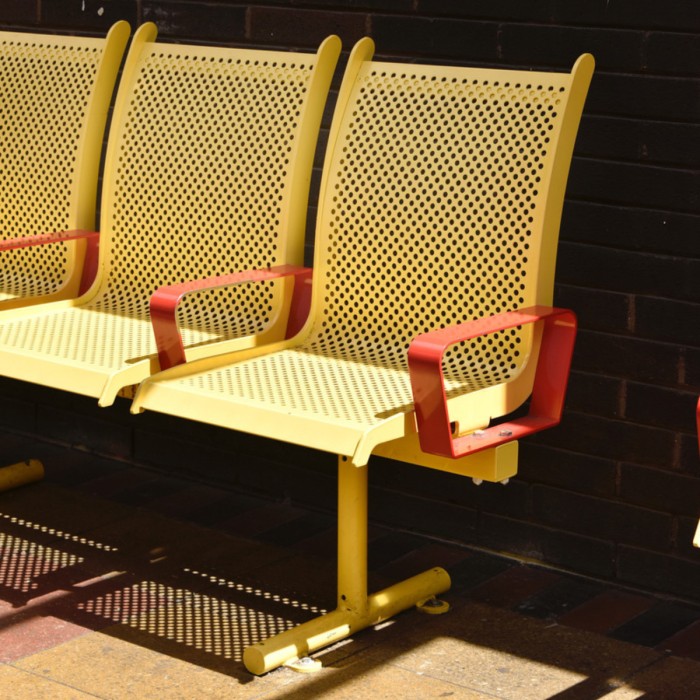
The “Broxap Ilford” seating to be installed is made by a family-owned business based in Staffordshire. Six three-seat units, totalling eighteen seats will be installed at the Common Garden Street stops and will be similar to those below, except they will be painted green.

The new “Broxap Ilford” seating that will be installed.

The seats are higher off the ground than the benches they will replace and the arms will make it easier for people to get in and out of them. The total amount of seating at the stops will also be increased.

Whose job is it?

As with most things involving buses and bus stops the process of purchasing and installing the seats wasn’t straightforward. Permission and agreement had to be obtained from Lancashire County Council as the highway authority, Lancaster City Council, which is responsible for the “public realm” within the city and which also has an involvement in bus stops and also Marketgate, whose property they adjoin and who had provided the original seating and presumably still owned it.

And who is going to pay?

This involved considerable negotiation that took several months and once agreement had been reached it just left the small matter of who was going to pay for it! The City Council had no provision in its budget and the proprietors of the Marketgate site said that whilst they were happy to see the seating replaced they were also unable to fund it, whilst Lancashire County Council originally said that its budget would not stretch to funding the high standard of seating that Cllr Mills and the Bus Users’ Group felt was needed.

Clllr. Mills then approached the Bus Users’ Group for assistance in identifying an alternative funding source. Her approach was timely, because the Group is now a member of the Stakeholders’ Forum of the Lancashire “Enhanced Partnership” through which the County Council and the county’s bus operators work together to improve bus services.

Bus Service Improvement Plan

The Group was able to advise that the Partnership had access to money through the Bus Service Improvement Plan allocated specifically to enhance bus stops. Armed with this information Cllr Mills was able to get the county council to agree to fund the full cost of the chosen seating and to meet the costs of installing it. They even allowed Cllr Mills to choose the colour of the new seats (which will be green!).

Cllr Abi Mills, the Disability Champion at the City Council said:
“I am so pleased that the new seats will be installed soon. It is incredibly important to ensure that we make our environment as accessible as possible for all, and I’d like to thank both the County and City Councils for their support on this project”.

Co-operation

The exercise is a welcome, but all too rare, example of the city and county councils working together rather than seeking to pass the buck and claim that any task is the other’s responsibility. From the Bus Users’ Group’s point of view we were happy to have the opportunity to be involved. The humble bus stop is usually ignored by bus companies and local authorities alike, except when they want to move it or do away with it altogether when it gets in the way, but we see it as the bus industry’s shop window and the point of entry to the bus system for new and existing customers and we are always happy to advise or assist anyone seeking to improve their local stop.